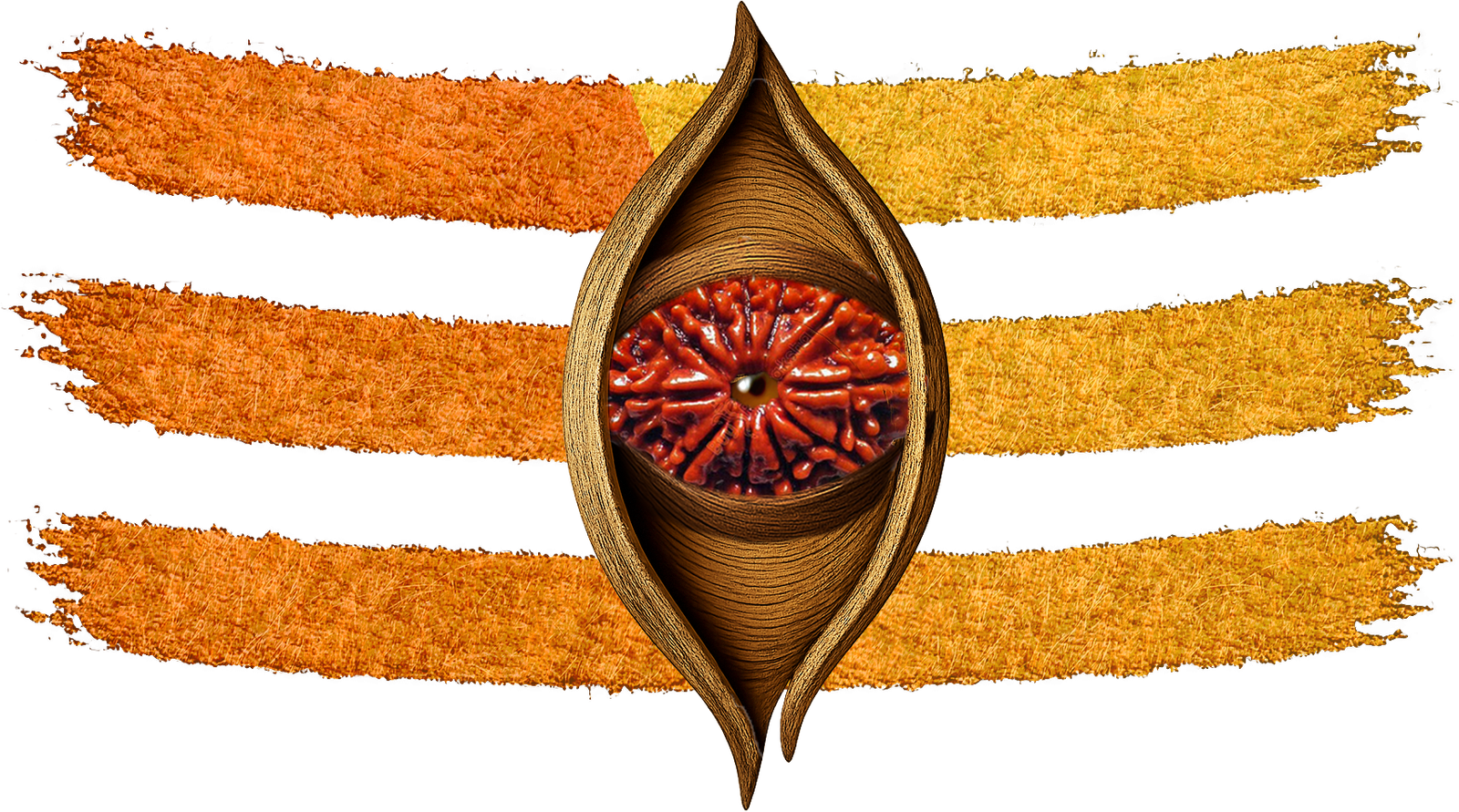
How to Check if a Rudraksha is Real - 4 At-Home Checks and Lab Tests
You can filter out obvious fakes at home with the water-sinking test, the copper-coin rotation test, the natural-line count check, and close visual inspection under magnification. But at-home checks only rule OUT clear fakes - they cannot confirm authenticity for higher-value beads. Third-party lab tests (X-ray, density, botanical verification) are the only reliable confirmation, which is why every Rudraloka Rudraksha ships with a lab report on request.
What the at-home tests can and cannot tell you
At-home authenticity checks are useful for spotting obvious fakes - plastic imitations, resin-cast beads, or badly carved wood. They cannot reliably confirm authenticity for a higher-mukhi bead, distinguish Nepali from Indonesian, or count internal chambers.
For pieces above a certain value, only a third-party lab report combining X-ray, density, and botanical checks provides a real answer. Rudraloka provides a lab report on request for every eligible bead.
Check 1 - The water sinking test
Drop the Rudraksha in a glass of room-temperature water. A genuine authentic Rudraksha bead is dense and typically sinks. Plastic and light-wood imitations often float or sit at the surface.
Caveats: some genuine light-mukhi Nepali beads with air-pocket structure can float briefly before sinking. A sinking bead is a good sign; a floating bead is a warning sign but not always fatal.
Check 2 - The copper coin rotation test
Place the Rudraksha between two copper coins. Practitioners hold that an authentic bead will rotate very slightly - a few degrees - because of its natural energy field. A plastic or resin fake stays perfectly still.
Caveats: this is a traditional check that varies with humidity, bead size, and coin quality. Treat a rotation as a positive signal, not proof; treat no rotation as a warning, not a verdict.
Check 3 - Count natural lines (mukhi count)
The claimed mukhi count must match the actual visible natural lines (faces) on the bead. A "5 mukhi" bead must show 5 distinct natural vertical lines running from top to bottom, with no artificial cuts.
A common fake pattern is to carve extra lines into a lower-mukhi bead to sell it as a higher-mukhi. Look closely with a magnifier - artificial cuts are usually sharper and less weathered than natural lines.
Check 4 - Close visual inspection under magnification
Use a 10x jeweler's loupe or a phone camera zoom. Look for natural surface texture with irregular grooves and pores, the small tear-drop shape at the top (where the stem attached), and consistent aging.
Warning signs: perfectly uniform texture (points to plastic), a molded seam line running along the bead (points to resin cast), or visible glue where beads are joined (points to two half-beads stuck together).
The lab tests that settle it
X-ray imaging reveals the internal chamber structure. A genuine Rudraksha has natural internal segmentation matching its mukhi count. A fake shows a hollow interior or artificial fill.
Density measurement confirms specific gravity within the range for authentic Rudraksha. Botanical identification confirms the seed is Elaeocarpus ganitrus.
Rudraloka works with a third-party lab that runs all three checks. Every Rudraloka Rudraksha ships with a lab report on request for eligible pieces.
What Rudraloka does before your bead ships
Every Rudraksha is third-party lab tested for authenticity, mukhi count, and origin.
Every Rudraksha is Rudrabhishek-energized at the Swayambhu Shivling of Veerbhadra Mahadev, Rishikesh, so the sadhak receives a prana-pratishthit and lab-verified bead.
Rudraloka trust notes
- Rudrabhishek Poojan at the Swayambhu Shivling of Veerbhadra Mahadev.
- Third-party lab report for authenticity, mukhi count, and origin.
- Lab report available on request for every eligible bead.
Recommended next routes
- 5 Mukhi Rudraksha - Kalagni Rudra - The most common bead - excellent starting point for practicing the checks.
- How to identify original Rudraksha (guide) - The full Rudraloka authenticity guide with additional check details.
- 5 Mukhi pillar - full tradition - Deep dive into the 5 Mukhi Rudraksha tradition.
Frequently asked questions
Does an authentic Rudraksha always sink in water?
Usually yes - genuine Rudraksha is dense and sinks. But some light-mukhi Nepali beads with air-pocket structure can float briefly. Treat sinking as a good sign, not the final word.
Can the copper coin test alone confirm authenticity?
No. The copper coin rotation test is a traditional signal, not proof. It varies with humidity, bead size, and coin quality. Use it alongside the other checks.
Why does mukhi count matter?
The mukhi count determines the deity and ruling planet associated with the bead. A fake bead often has extra lines carved artificially to sell it as a higher mukhi. Always verify count visually and, for higher mukhi, with a lab report.
What is a Rudraksha lab test?
A third-party lab combines X-ray imaging (internal chamber structure), density measurement (specific gravity), and botanical identification (Elaeocarpus ganitrus). Rudraloka provides a lab report on request for every eligible bead.
Does Rudraloka guarantee authenticity?
Yes. Every Rudraksha shipped by Rudraloka is third-party lab tested for authenticity, mukhi count, and origin. Lab reports are available on request for eligible pieces.